Can Lifestyle Changes Prevent Stomach Cancer?

Stomach cancer is one of the major health concerns affecting a large number of people in India every year. The figure is slowly going up, thus, prevention is very essential. During the early stage, stomach cancer often develops silently with little or no symptoms at all. A lot of patients discover the problem only when it is already too late. There is one positive aspect; daily habits are one of the main factors that determine the risk of cancer. The diet is a major cause regarding this issue. Your level of physical activity is also considered. Additionally, smoking and drinking are very strong risk factors. Besides that, stress and lack of sleep are other health-related issues that contribute negatively. Making minor changes in lifestyle can decrease the risk of stomach cancer. These changes can also lead to improved digestion and energy. Screening at an early stage assists in the identification of issues before they become serious. When lifestyle care and early detection go together, the probability of being healthy is significantly higher. Why Preventing Stomach Cancer is Crucial Stomach cancer can become life-threatening when found late. Additionally, treatment is also long and costly. Early prevention lowers both health and money burden. A few simple daily habits can save many lives. What is Stomach Cancer? Understanding Stomach Cancer and Its Risk Factors Stomach cancer occurs when the abnormal cells grow in the stomach lining. These cells grow rapidly and they form a tumor. Eventually the tumor can spread to surrounding organs. There are various forms of stomach cancer, with the most common type starting in the inner coating. Some patients may report discomfort in the upper abdomen. Others may experience a sudden sensation of fullness or their weight may drop unexpectedly. Nausea and loss of appetite are also considered to be warning signs. Many factors can cause stomach cancer. The primary one is a family history of the disease. Another big cause is a chronic stomach infection. A diet rich in salt also increases the risk. Along with smoking and drinking, these conditions have been linked to the onset of stomach cancer. The same goes for environmental pollution and exposure to harmful chemicals, which can also have a detrimental effect on the stomach. Diet and Nutrition for Preventing Stomach Cancer The Role of Diet in Preventing Stomach Cancer There is no doubt that food affects stomach health directly and powerfully. The natural shield that healthy food provides, protects the stomach whereas unhealthy food gradually destroys the stomach. Our daily consumption greatly influences the health of our digestive system. The most significant fruits and vegetables are those for stomach health. They are also the source of vitamins, minerals, and natural fibers in abundance. Fiber facilitates smooth digestion and elimination of waste from the body with ease. Besides, sweet fruits have antioxidants that protect the body’s cells from being harmed. Not only that, leafy greens have very high nutrients and also citrus fruits like oranges and lemons help immensely in stomach wellness. The consumption of whole grains like brown rice and millet is also a good practice for digestion. Fermented products like curd and buttermilk are sources of good bacteria that favor digestion and thus are a support to gut health. These friendly bacteria not only protect the stomach but also enhance the total digestive strength. On the other hand, the consumption of certain types of food not only increases the risk of stomach ailments but also the risk of cancer. Among these foods, salt is one of the most detrimental to stomach health. If one eats large amounts of pickles, it will also be a hindrance. The consumption of processed meats should be totally eliminated, for example, sausages, bacon, and hotdogs. The health hazards associated with fried foods are actually doubled due to the toxins produced while frying. Alcohol is known to cause severe damage to the stomach lining and consequently increase cancer risk. Finally, there is nothing else but a clean, fresh, home-cooked diet to shield the stomach. If healthy and simple food habits are practiced daily, they will surely provide strong protection in the long term. A cleanse with the fresh dietary of homemade food is the best way to fight the stomach. Simple and healthy food habits followed every day can offer strong protection in the long run. Healthy Lifestyle Choices and Their Impact on Stomach Cancer Risk Healthy Lifestyle Habits to Reduce Stomach Cancer Risk Lifestyle choices are significant factors when it comes to keeping the stomach healthy among others. Doing physical activity daily helps the body to be active and cleansed from inside. A simple habit like walking thirty minutes daily contributes to better digestion, weight control, and reduced obesity-related cancer risk. Besides, regular exercise also enhances blood circulation and strengthens the immune system which in turn helps the body to fight against abnormal cells in the initial stages. Yoga practice also helps in better digestion and is a form of stress management. However, smoking and drinking alcohol are the two major enemies of stomach health. The toxic substances in cigarette smoke lead to the death of stomach cells and hence, increased cancer risk. Constant alcohol intake ruins the stomach lining and results in ulcers and even cancer. Sufficient sleep is as vital as water because proper sleep rejuvenates body cells and boosts immunity. Methods of stress management like deep breathing and meditation also contribute to an improved digestive system. The combination of physical activity, sleep, and healthy habits is the most efficient method to minimize the risk of stomach cancer. Early Detection and Screening for Stomach Cancer Early Detection: A Crucial Step in Preventing Stomach Cancer Early detection is crucial in the fight against cancer, particularly in the case of stomach cancer which is a slow-growing type at the very early stages. The disease diagnosed during this period presents the fullest opportunity for recovery. In the case of individuals who are considered to be at greater risk, doctors might recommend very basic screening tests. Blood
How Stomach Cancer is Diagnosed: Tests, Procedures, and What to Expect
Importance of Early Diagnosis of Stomach Cancer Stomach cancer develops in the inner lining of the stomach which doctors refer to as gastric cancer. The disease progresses at a slow pace during its initial stage when patients usually experience no symptoms. Medical professionals now detect the disease at its beginning through advanced diagnostic methods which enable them to offer better treatment options for better recovery results. The medical community relies on upper endoscopy, CT scans and biopsy tests to diagnose stomach cancer and develop personalized treatment plans for patients. The treatment methods at Guru Cancer Treatment Center in Madurai operate through early detection systems which identify cancer quickly. The chances of recovery and long-term health improvement become better for patients when cancer gets detected at its earliest stages. Recognizing Symptoms and Signs of Stomach Cancer The symptoms of these conditions appear similar to regular digestive problems which leads many people to misinterpret them. Early detection of stomach cancer symptoms enables patients to receive medical care at the right time. The condition presents with ongoing stomach pain which occurs along with nausea and abdominal swelling and leads to decreased hunger and unintentional weight loss. People who have this condition experience feeling satisfied from eating tiny portions of food while dealing with tiredness and weakness. The symptoms appear to be minor, but these will require urgent medical evaluation when experienced for several weeks. People need to get medical help when these symptoms start to influence their physical condition. A medical examination at the right time allows doctors to find the underlying cause and detect stomach cancer during its initial stages. Early diagnosis allows doctors to select appropriate treatments which lead to better patient recovery rates. Key Screening and Diagnostic Tests for Stomach Cancer Screening for stomach cancer becomes necessary for people who have stomach cancer in their family tree or have been dealing with stomach diseases for an extended period. The primary diagnostic procedure for stomach cancer detection involves upper endoscopy. The test requires doctors to insert a flexible tube which contains a camera through the patient’s mouth to view their stomach interior. The procedure allows doctors to detect abnormal tumors and ulcerations which exist within the body. The stomach shape and structure assessment involves additional diagnostic methods which include barium swallow tests and CT scans. The tests enable medical professionals to find stomach cancer in its beginning stages which allows them to develop suitable treatment plans. Advanced Imaging and Biomarkers in Stomach Cancer Modern technology has improved how doctors detect and study stomach cancer. Medical professionals use advanced imaging methods to study diseases at higher resolution which helps doctors design appropriate treatment plans. The PET-CT scan for stomach cancer detection reveals cancer cells, which standard CT scans fail to show. The test shows how cancer spreads throughout the body and which other areas it has affected. An MRI for stomach cancer diagnosis gives detailed images of the stomach and nearby organs. Medical professionals use this method to determine the precise dimensions and placement of tumors. Doctors study tumor biomarkers HER2 and PD-L1 through imaging techniques to analyze stomach cancer. The biomarkers reveal cancer severity which directs doctors to select the best treatment plan for patients. The advanced tools work together to create precise diagnoses which lead to improved treatment plans that produce better patient results. Staging Stomach Cancer and its Importance Doctors require stomach cancer staging to study the extent of cancer development throughout the body. The system provides doctors with treatment plans which help them create the most effective care approach for each patient. The stage of cancer becomes visible through medical tests which include CT scans and biopsies and endoscopy procedures. The tests determine if the cancer remains in the stomach or if it has spread to surrounding organs and distant parts of the body. The stage determination serves as a vital element because each stage requires different treatment methods. Doctors use this information to select between surgery or chemotherapy or combined treatment approaches. Doctors can develop improved treatment plans by using precise staging which leads to better recovery potential for patients. What to Expect during the Diagnosis of Stomach CancerDoctors conduct multiple diagnostic procedures to evaluate the stomach and its linked organs during the stomach cancer diagnosis process. The upper endoscopy functions as a standard diagnostic method which doctors use to identify stomach cancer. The procedure needs a flexible tube with a camera to pass through the mouth until it reaches the stomach. The specialists use this procedure to view the stomach lining while they search for unusual growths. Also, take a biopsy sample through a medical process to send it for laboratory testing. A CT scan functions as the primary diagnostic tool for doctors to detect stomach cancer in patients. The imaging system creates detailed visual representations which show the stomach together with its related anatomical structures. Surgeons use the imaging technique to measure tumor size and shape while tracking its spread throughout the body. The medical procedures show no indication of danger to patients according to the test results. Medical procedures require sedation or mild anesthesia to help patients maintain relaxation and comfort throughout the procedure. Early Detection and Its Impact on Treatment The treatment options and recovery success rates show a big improvement when stomach cancer gets diagnosed in its early stages. The therapy can begin immediately after endoscopy, CT scan and biopsy results show cancer at its initial phase before it has the chance to spread. The approach enables patients to experience less pain while reducing complications which leads to better chances of complete recovery. A person needs to seek emergency medical services when they experience sudden weight loss along with stomach pain and nausea. The Guru Cancer Treatment Center in Madurai provides advanced diagnostic services in combination with specialized stomach cancer treatment to help patients achieve their best possible treatment results. FAQs 1.What are the early symptoms of stomach cancer? The initial symptoms show up as stomach pain together with bloating and
How Diet Affects Breast Cancer Risk: Foods to Avoid
Cancer is a topic that’s being spoken of everywhere, its being studied every day and something newis discovered. There is so much information about it out there but it seems as if there still isn’tenough awareness about it. Let us discuss about cancer, specifically breast cancer and its link withour diet. When it comes to breast cancer, factors like age, genes and family history are out ofcontrol. But one thing we can control is our diet. What we eat everyday doesn’t just provide us withenergy, it affects our long term health and our risk of developing certain diseases, including breastcancer.Some foods can increase inflammation, weight gain, and oestrogen levels, which contribute tocancer development. Diet plays an essential role in preventing diseases like breast cancer. Let usdive a little bit deep into this. Foods That Increase Breast Cancer Risk Processed meats Several studies have shown high connection between processed meat and development of breastcancer. Foods like sausages, ham and bacon often contain preservatives that damage cell and DNAovertime. These promote inflammation and may fuel cancerous cell growth. In order to lower yourchances of cancer it’s advised to reduce processed meat consumption and choose fresh, lean sourceof protein instead. Red meats Regular consumption of red meat goes hand in hand with the risk of breast cancer. When red meatis grilled barbecued or cooked at very high temperature, there are some harmful compounds formedincreasing the risk of cancer. Reducing grilled meat reduce cancer risk and support cancerprevention. Going for plant-based proteins or fish can be a healthier option. Refined sugar and carbohydrates Refined sugar and carbohydrates are connected to cancer risk through their contribution to weightgain and insulin levels. A diet rich in refined sugar and carbs can spike blood sugar, increasing insulinand contributing to cancer cell growth. This also increases chances of obesity risk, a main factor ofbreast cancer development. So, reducing carbs and refined sugar is a step to a healthier life. Trans fats Trans fats are the unhealthy fat found in processed snacks, baked goods and fast food. They arehighly associated with breast cancer because they cause inflammation and rise bad cholesterol. Astime goes on this creates the perfect environment for cancer cells to grow. Avoid Trans fats andreplace them with healthy fats like nuts, olive oil and avocado Alcohol Drinking too much increases oestrogen levels in women, this stimulates the growth of breast cancercells. This is riskier for women with family history of breast cancer. Cutting back on alcoholconsumption can reduce cancer risk and help improve overall health. Caffeine Caffeine is also sometimes linked to breast cancer through hormone balance. Too much caffeine canslightly affect your oestrogen levels resulting in similar results as alcohol consumption. Normalintake of caffeine such as coffee usually is safe but reducing it reduces your risk of getting breastcancer. Foods that can help lower breast cancer risks A diet that is rich in fruits, vegetables, whole grains and healthy fat can reduce chances of breastcancer by supplying antioxidants, fibre and anti-inflammatory compounds. These nutrients help inhormone balance, neutralise free radicle and curb oxidative stress Leafy greens These are classic and commonly known anti-cancer foods, greens such as spinach, kale, Swiss chardand similar vegetables are packed with carotenoids, folate, vitamins and phytochemicals that helpcounter oxidative DNA damage. Berries These are also essential to preventing cancer because they are rich in antioxidant content, especiallyanthocyanin, tannins and vitamin C Whole grains Whole grains help prevent cancer by providing the body with essentials such as fibre, B-vitamins,minerals and slower digesting carbohydrates. Nuts and seeds These are excellent source of healthy fats like omega-3s and monounsaturated fats, proteins, fibreand phytochemicals which reduce inflammation and support our immune system. How to make dietary changes to reduce breast cancer risk Changes in diet have shown highly positive results in reducing risk of breast cancer. This doesn’trequire any strict diets, just some sustainable habits that nourish your body and balance hormonesnaturally. Meal planning Your plate should include more plant-based food such as leafy greens, colourful vegetables berriesand whole grains. These food items are packed with fibre, vitamins and antioxidants that protectsyour cell from damage and also reduce the inflammation in the body reducing the chances forcancerous cells to develop. Healthy snacks Instead of having processed snacks like chips and cookies, choose a healthier alternative. Nuts, seedsand fruits are rich in nutrients that help fight cancer and it also helps keep your energy level stablethroughout the day. Cooking methods How your food is cooked matters too, frying or charring meats at high temperatures create harmfulcompounds linked to cancer risk. Choose better cooking techniques like grilling, baking, steaming orstir-frying instead. When the food is cooked in a gentler way, it helps preserve nutrients and reduceformation of carcinogens, making your meal both tasty and safe.
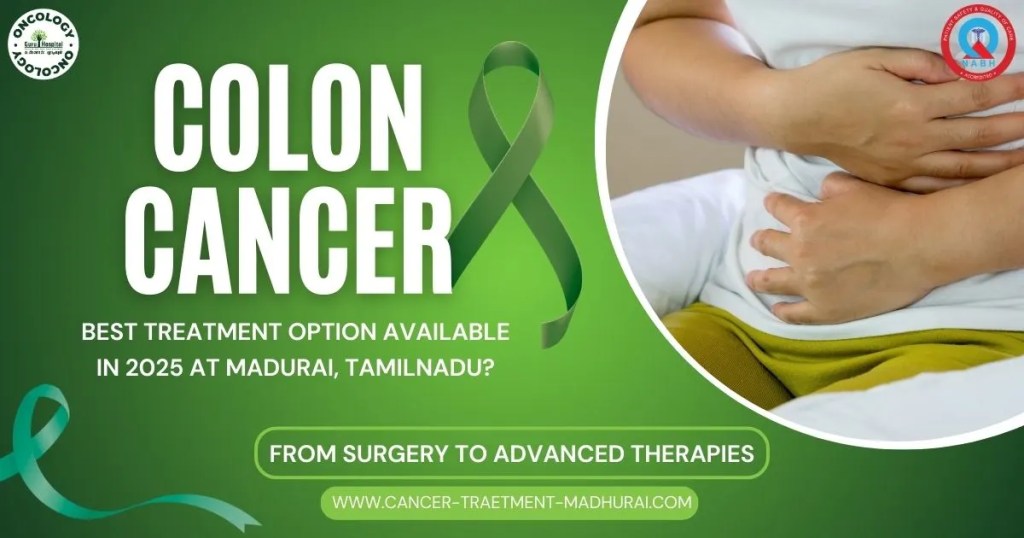
Colon Cancer -Best Treatment Option available in 2025 at Madurai, Tamilnadu? From Surgery to Advanced Therapies
A Brief Review of Colon Cancer Among all gastrointestinal cancers colon cancer stands as one of the most widespread types worldwide. The colon and rectum may show certain benign polyps which transform into cancerous tumors with the passage of time. People usually remain unaware of the development of these polyps which is why early discovery matters. The detection of colon cancer in its early stages leads to substantial improvements in patient survival outcomes. The Early Detection of Colon Cancer Symptoms requires specific diagnostic methods. What Are the Symptoms of Colon Cancer? People who have colon cancer often display these typical signs and symptoms: Early Detection of Colon Cancer Holds Great Importance Early-stage colon cancer detection enables better treatment outcomes since the patient’s chances of recovery become significantly better. The treatment options for early-stage cancer include surgery and localised therapies yet advanced cancer cases require chemotherapy and intense medical interventions. Early screening procedures including colonoscopies enable medical practitioners to identify colon cancer before patients show any symptoms. Screening Options and Diagnostic Procedures Colonoscopy: The Gold Standard in Colon Cancer Detection Colonoscopy stands as the most dependable screening tool for colon cancer diagnosis. Medical professionals use colonoscopy to directly observe the lining of the colon where they search for unusual tissue growths. The medical staff can perform the procedure to remove polyps that have been discovered which helps stop cancer development. Other Screening Methods What’s New in Colon Cancer Treatments available in Madurai in 2025? Surgery The primary treatment for early-stage colon cancer consists of surgery. Segmental colectomy represents the standard procedure which removes the colon section containing cancer while laparoscopic colectomy serves as a minimally invasive alternative. The treatment selection for colon cancer depends on the tumor position and its size. Chemotherapy and Targeted Therapy Surgery benefits patients with stage II and III colon cancer because chemotherapy serves as an essential treatment after surgery to eliminate all cancer cells. Newer targeted therapies focus on attacking specific cancer cell markers, making them more effective and less toxic than traditional treatments. Immunotherapy Breakthroughs The immunotherapy approach including CAR-T cell therapy and checkpoint inhibitors shows promising results for treating specific colon cancer cases particularly MSI-H (microsatellite instability-high) tumors. Through immunotherapy patients gain better immune system function which leads to enhanced cancer cell detection and elimination. Personalized Treatment Approaches The advancements in tumor genetic profiling technologies lead to customized treatment protocols for patients. Medical professionals use cancer cell genetic information to develop individualized treatment plans which might include chemotherapy paired with immunotherapy. Lifestyle Changes to Prevent Colon Cancer The Selection of the Ideal Treatment Plan for Colon Cancer in 2025 Different factors such as cancer stage and patient health status and genetic conditions influence the selection of optimal colon cancer treatment for 2025. Regular screening practices help increase survival probabilities by detecting colon cancer during its early stages. A combination of surgery and chemotherapy and immunotherapy and lifestyle adjustments results in the most successful treatment outcomes. Frequently Asked Questions
Understanding Lung Cancer: Symptoms, risk factor and treatment
Did you know that lung cancer is the leading cause of cancer deaths worldwide? Yes, despite advances in treatment, lung cancer accounts for about 1.8 million deaths each year globally. The lungs are vital for the oxygen supply throughout the entire body removing carbon dioxide from the air we breathe. Lungs also regulates the blood’s pH, filter small blood clots and protects the immune system for airborne pathogens. Lung cancer disrupts its ability to exchange oxygen and carbon dioxide, damage lung tissues and can block airways making it difficult to breath. This can lead to severe problems to the overall health of the body. In this blog, I’ll discuss the symptoms, risk factors, prevention and treatment for lung cancer. What is lung cancer? Lung cancer is a type of cancer that starts in the cells of the lungs. It occurs when there is an abnormal growth of cells in lungs which forms into a tumour which eventually interfere with the lungs’ ability to function. Lung cancer can also spread to the other parts of the body making it more difficult to treat. It is mainly categorized into two and they are: It is the most common type, accounting for about 85% of the cases. This cancer tends to grow and spread slowly than the other kind of lung cancer. It is further divided 3 types they are: Adenocarcinoma: It typically develops in the outer areas of the lungs especially from the cells that produce mucus. Squamous cell carcinoma: It develops in the flat cells lining the airways and is often found near the centre of the lungs that produce mucus. Large cell carcinoma: It occurs in any part of the lung and can spread quickly. 2. Small Cell Lung Cancer (SCLC): SCLC accounts for about 10-15% of cancer cases and is strongly linked with smoking. This grows and spreads more rapidly than NSCLC, often to distant organs at early stages. It is classified into two stages: Limited stage: Cancer is confined to one lung and may affect nearby lymph nodes. Extensive stage: Cancer has spread beyond the lung to the other parts of the body. Symptoms: These are some of the common symptoms seen in lung cancer patients: These symptoms can worsen overtime when the tumour spreads to the other organs further disrupting the lungs’ function. Risk factors: Would you believe me if I said that smokers aren’t the only ones who get affected by lung cancer, and there are other factors too? Yes, now let’s get into it. To prevent lung cancer, avoid smoking, regularly test your home for radon, limit exposure to carcinogens, maintain a healthy lifestyle and do regular health check-ups. Treatment: Surgery is the first line treatment for NSCLC, where the cancer is localized and has spread to any other parts of the body. Surgery is often combined with radiation therapy or chemotherapy. Radiation therapy uses high-energy rays to destroy or shrink cancer cells. It can be used at various stages of cancer. Radiation therapy is a standard treatment for SCLC in combination with chemotherapy. Chemotherapy involves drugs that involves drug that kill cancer cells or prevent them from further growth. It is used in both NSCLC and SCLC, often when the cancer has spread beyond the lung or after surgery to kill cancer cells. It can be used in combination with radiation. Targeted therapy uses drugs that specifically target genetic mutations or proteins that drive of the cancer cells. It is often used in advanced stages of NSCLC. Unlike chemotherapy, targeted therapy often spares normal cells, leading to fewer side effects. Immunotherapy helps body’s immune system to recognize and attack cancer cells. It is primarily in advanced NSCLC and sometimes in SCLC. It is often used for advanced lung cancer which hasn’t responded well to chemotherapy and targeted therapy. Patients with advanced lung cancer focuses on increasing the quality of life by managing symptoms like pain, breathing difficulties and fatigue. It does not aim to cure cancer but to relieve the discomfort and pain that comes along with it. Lung cancer treatment is increasingly moving toward personalized medicine specifically tailored according to the patient’s genetics after testing for mutations. Conclusion: Lung cancer remains a significant global challenge, early detection and advanced treatment options offer hope for improved outcomes. Lung cancer is determined by a multi-disciplinary team of doctors who consider the cancer’s type, stage and patient’s overall health. That’s why Guru Cancer Centre is a top choice for comprehensive lung cancer treatment as they have been thriving in this field for over 45 years. Whether you need screenings, advanced treatments or personalized support, Guru Cancer Centre is committed to help you every step of the way. Book your appointment now for the best lung cancer care.
Colon Cancer: Causes, Symptoms, and Treatment
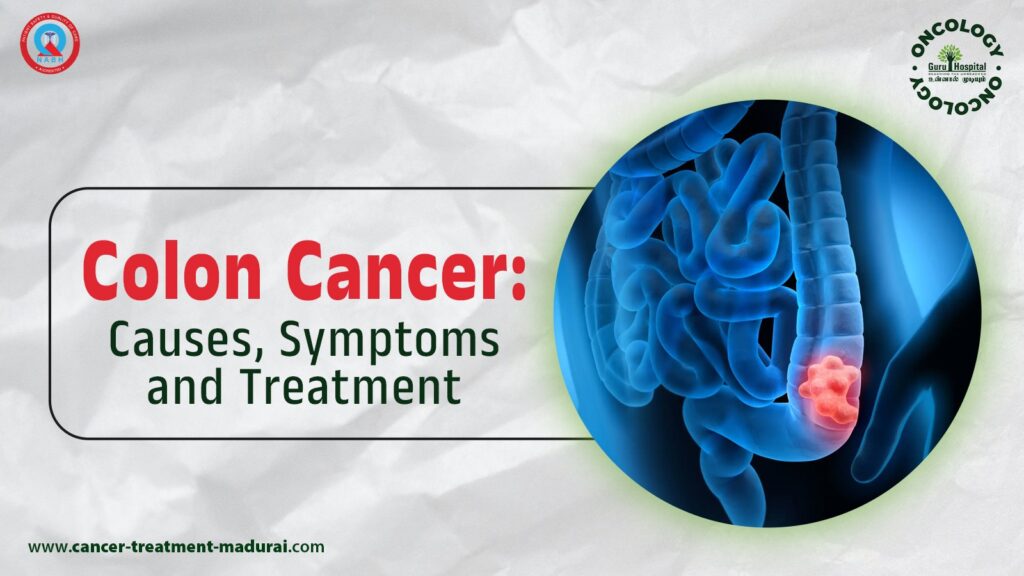
Colon cancer is a type of cancer that begins in the large intestine, which is a long tube that extracts digested food from the body. Although it can occur at any age, it typically affects older adults. Generally, it starts as small clumps called polyps. These are generally non-cancerous growths. However, some can be transformed into colon cancers over time. The early detection of the cancer prevents the risk of its further progression, ensuring minimal time and faster recovery. Contact Guru Oncology Hospital for optimal health results. Causes and Risk Factors Take a look at the following causes of colon cancer: Common Symptoms Watch out for the following symptoms of colon cancer: Diagnosis Your healthcare professional will recommend a few diagnostic tests to detect the underlying cancer. Take a look at the following tests to make an informed decision: Treatment Options Prevention and Lifestyle Tips Lifestyle choices that can prevent the risk of colon cancer are the following: Conclusion In conclusion, colon cancer is a serious yet manageable disease provided it is detected in the early stages. People who practice early screening along with healthy habits and raise their awareness about colon cancer lower their risks. With early intervention and the right treatment, they enhance their treatment results.
EMPOWERING SURVIVORSHIP – ONCOLOGY STOMACH CANCER
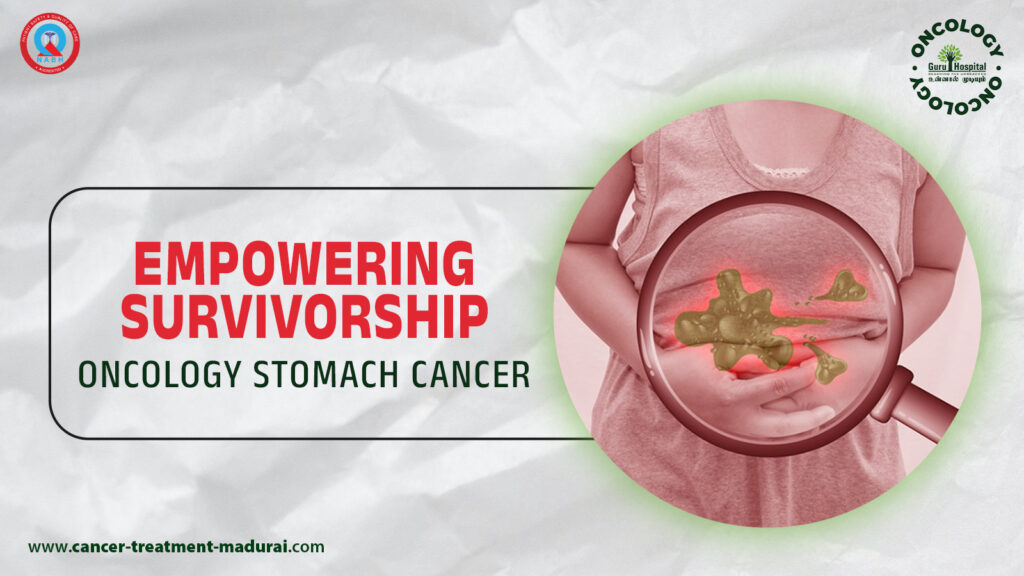
Being diagnosed with cancer can be an overwhelming experience, and it can help to know that you aren’t alone. Explore cancer survivor stories as they get real, sharing their experience with navigating cancer, along with tips and resources that helped them during their most challenging moments. ONCOLOGY – STOMACH CANCER : Oncology for stomach cancer is treatment of cancer that starts in the stomach cells. This is known as gastric cancer. CAUSES : SYMPTOMS : STAGING : TREATMENT : The primary treatment option for early-stage stomach cancer is surgical removal of the affected part of the stomach (gastric resection), often accompanied by lymph node removal. Used widely, both before surgery to shrink the tumor and after surgery to eliminate remaining cancer cells. May be used in specific cases, especially when the cancer has spread to nearby tissues. Newer treatment options like monoclonal antibodies are utilized for patients with HER2-positive stomach cancer. NEW TREATMENT FOR STOMACH CANCER : At Guru hospital for cancer care experts are exploring new ways to help patients with late-stage cancers. A new approach to treating stomach cancers called Hyperthermic Intraperitonel Chemotherapy (HIPEC) delivers heated liquid chemotherapy directly to the abdomen where it can target the cancer. KINDS : Stomach cancer can be classified into several types, including adenocarcinomas, gastrointestinal stromal tumors, and lymphomas Adenocarcinomas Gastrointestinal stromal tumors (GIST) A type of soft tissue sarcoma that starts in the nerve cells of the stomach wall Gastrointestinal neuroendocrine tumors Cancers that start in the neuroendocrine cells of the gastrointestinal tract Primary gastric lymphoma A type of non-Hodgkin lymphoma that forms in the stomach Gastroesophageal junction adenocarcinoma (GEJ) A cancer that forms where the esophagus meets the stomach STOMACH CANCER SURVIVOR IN INDIA : While specific names might not be widely publicized, several stories of stomach cancer survivors in India showcase the resilience of individuals battling the disease, often including experiences of overcoming late-stage diagnoses, adapting to life after surgery (like a gastrectomy), and the importance of strong family support and access to quality medical care; one notable example is the story of ISRO chief S Somanath, who publicly shared his successful treatment for stomach cancer, undergoing surgery and chemotherapy to overcome the disease. BEST CANCER CARE: Guru Hospital is one of the leading Hospital for cancer treatment. Guru hospital, a multi-speciality haven in the Temple city of Madurai, which have integrating advanced technology, modern infrastructure, and world-class professionals. At Guru Cancer Centre, we stand as a dedicated and compassionate partner on your journey to overcoming cancer.we also provide exceptional, personalized care across a spectrum of cancers. It also focuses on prevention and early detection through community outreach programs. Guru Hospital has a team of experts from various fields who offer the best possible cancer treatment in Madurai. The ultimate goal of the cancer centre is the prevention of the disease. Dr. S.G. Balamurugan, Oncology Specialist, have experience in understanding the disease’s nuances and stages. He prioritize not just saving lives but also enhances their quality of treatment and also the post treatment. CONCLUSION : Cancer, a feared adversary, requires a multidisciplinary approach. Stomach cancer remains a common cancer and has a poor prognosis. Detection of gastric cancer in an early stage is important to improve the prognosis of patients with gastric cancer. Palliative chemotherapy prolongs survival and improves quality of life. A plan for the diagnosis and treatment of cancer is a key component of any overall cancer control plan. It’s main goal is to cure cancer patients or prolong their life considerably, ensuring a good quality of life. To get the best treatment and to diagnosed cancer at its earliest stage book an appointment with Dr.S.G. Balamurugan, Guru Hospital for Cancer Care.
Breaking Down Breast Cancer and Finding Hope
Nothing shows heartwarming than an image of a baby held close and fed nectar from their mother’s breast. It is considered as a symbol of love, care, and hope. Unfortunately for many women, this symbol of motherhood is threatened by breast cancer. We, the department of Oncology at Guru Hospital in Madurai, understand the significant influence of breast cancer, beyond physical but on the spirit. Through awareness, early detection and advanced treatment, we can help them to reclaim health and hope. In this blog, we’ll explore breast cancer, treatment options, prevention tips and the latest information about the topic. Let’s join hands to raise awareness and hope. Researches related to breast cancer indicate that regardless of advancements in medical research and treatment options, breast cancer continues to affect millions of people universally. It also highlighted the importance of early detection and treatment emphasizing that breast cancer mortality rates have dropped by 40%. Even though the disease affects both men and women, women are more likely to develop it into breast cancer. Understanding Breast Cancer When abnormal cells in the breast tissue grow and divide uncontrollably and forming a tumor and also leads to spread to other parts of the body is known as breast cancer. There are several types of breast cancer, including invasive,non-invasive, ductal, lobular, and other types.The treatment plan is determined by understanding the type and stage of the disease. Signs and Symptoms: Breast cancer may be asymptomatic in its early stages. It is rare in men, but it can still occur. It is essential to keep in mind following symptoms: Importance of Self-Examination: Early detection of the symptoms saves lives. Regular self-examination of the breast and underarm area helps to detect breast cancer at its early stage. Thus they may have got timely treatment and better outcomes. If you notice any unusual changes or symptoms, without any hesitation consult with a specialized doctor. Dictation and Treatment facilitiesare available at Guru Hospital Madurai Multidisciplinary team of oncologists, surgeons and radiologists work together at Guru Hospital collaborates to create best personalized treatment plans for the patients. At first we may recommend to do following procedure to detect the disease and its stage: All these advanced facilities are available in our hospital. We provide following treatment plans according to patient’s condition: Prevention tips: Lifestyle factors aren’t the only predictors of getting breast cancer, they play a part. Following preventions can help reduce the risk: • Schedule regular check-ups • Know your family history • Maintain a healthy weight • Do regular exercise and Stay active • Focus on Healthy diet • Consider breastfeeding for new moms • Limit or avoid alcohol and smoking • Manage your stress Conclusion: Hope is acting as a powerful tool to face challenges in life. The department of Oncology at Guru Hospital in Madurai, gives you the hope by providing you comprehensive care and unwavering support to cope with the battle. If you or your loved one is in this journey, we invite you to join our community of hope and strength
Get Relief From Side Effects after Cancer Treatment
Get Relief From Side Effects after Cancer Treatment Tips to Relieve Side Effects After Cancer Treatment Cancer treatment, including radiation therapy, can be a challenging journey. As you transition into cancer recovery and survivorship, managing the side effects of treatment becomes crucial. Here are some effective tips to help you relieve side effects and enhance your post-treatment care. 1. Stay Hydrated One of the simplest yet most effective health tips is to stay hydrated. Drinking plenty of water helps flush out toxins from your body and can alleviate side effects such as dry mouth and fatigue. Aim for at least 8-10 glasses of water a day. 2. Maintain a Balanced Diet Nutrition plays a vital role in cancer recovery. Incorporate a variety of fruits, vegetables, lean proteins, and whole grains into your diet. These foods provide essential nutrients that support your body’s healing process. Avoid processed foods and limit your intake of sugar and saturated fats. 3. Manage Fatigue Fatigue is a common side effect of radiation therapy. To combat this, establish a regular sleep routine and take short naps during the day if needed. Light exercises, such as walking or yoga, can also boost your energy levels and improve your overall well-being. 4. Skin Care Radiation therapy can cause skin irritation and dryness. Use gentle, fragrance-free moisturizers and avoid hot showers or baths that can further dry out your skin. Wear loose, soft clothing to reduce friction and irritation. 5. Address Emotional Health Post-treatment care includes looking after your emotional and mental health. Engage in activities that you enjoy and that help you relax. Joining a cancer support group can provide a sense of community and help you share experiences with others who understand what you’re going through. 6. Pain Management If you experience pain as a side effect, consult your healthcare provider about appropriate pain management strategies. This may include medications, physical therapy, or complementary therapies such as acupuncture or massage. 7. Regular Follow-Ups Attend all scheduled follow-up appointments with your healthcare team. These visits are crucial for monitoring your progress and managing any lingering side effects. They also provide an opportunity to discuss any new symptoms or concerns you may have. 8. Stay Active Physical activity is beneficial for both your physical and mental health. Incorporate gentle exercises into your routine, such as walking, swimming, or tai chi. Exercise can help reduce fatigue, improve mood, and enhance overall recovery. 9. Manage Nausea and Appetite Changes Radiation therapy can affect your appetite and cause nausea. Eat small, frequent meals throughout the day and focus on nutrient-dense foods. Ginger tea or crackers can help soothe nausea. If appetite loss persists, consult your dietitian for personalized advice. 10. Keep a Symptom Diary Track your side effects in a diary, noting their severity and any potential triggers. This information can be invaluable during your follow-up appointments, helping your healthcare team tailor your post-treatment care to your specific needs. Cancer survivorship is a journey that extends beyond the completion of treatment. By following these health tips and focusing on side effects management, you can improve your quality of life and support your body’s recovery. Remember, post-treatment care is a vital part of your overall cancer recovery, and with the right strategies, you can navigate this phase with confidence and resilience. Guru Hospital excels in cancer treatment, making it a premier choice for patients seeking comprehensive and compassionate care. Utilizing the latest advancements in radiation therapy, chemotherapy, and immunotherapy, Guru Hospital ensures that patients receive the most effective and cutting-edge treatments available. Our latest facilities are equipped with advanced diagnostic and treatment technologies, enabling precise and efficient care. Additionally, our holistic approach to cancer care includes emotional support, nutritional guidance, and post-treatment rehabilitation, ensuring patients and their families receive the support they need throughout their cancer journey. At Guru Hospital, our commitment to excellence and patient-centered care positions us as a leader in cancer treatment. Latest Blogs Get Relief From Side Effects after Cancer Treatment September 27, 2024 How Do You Know If You Have Developed Lymphoma? September 27, 2024 Screening For Cervical Cancer | Guru Hospital Madurai September 27, 2024
How Do You Know If You Have Developed Lymphoma?
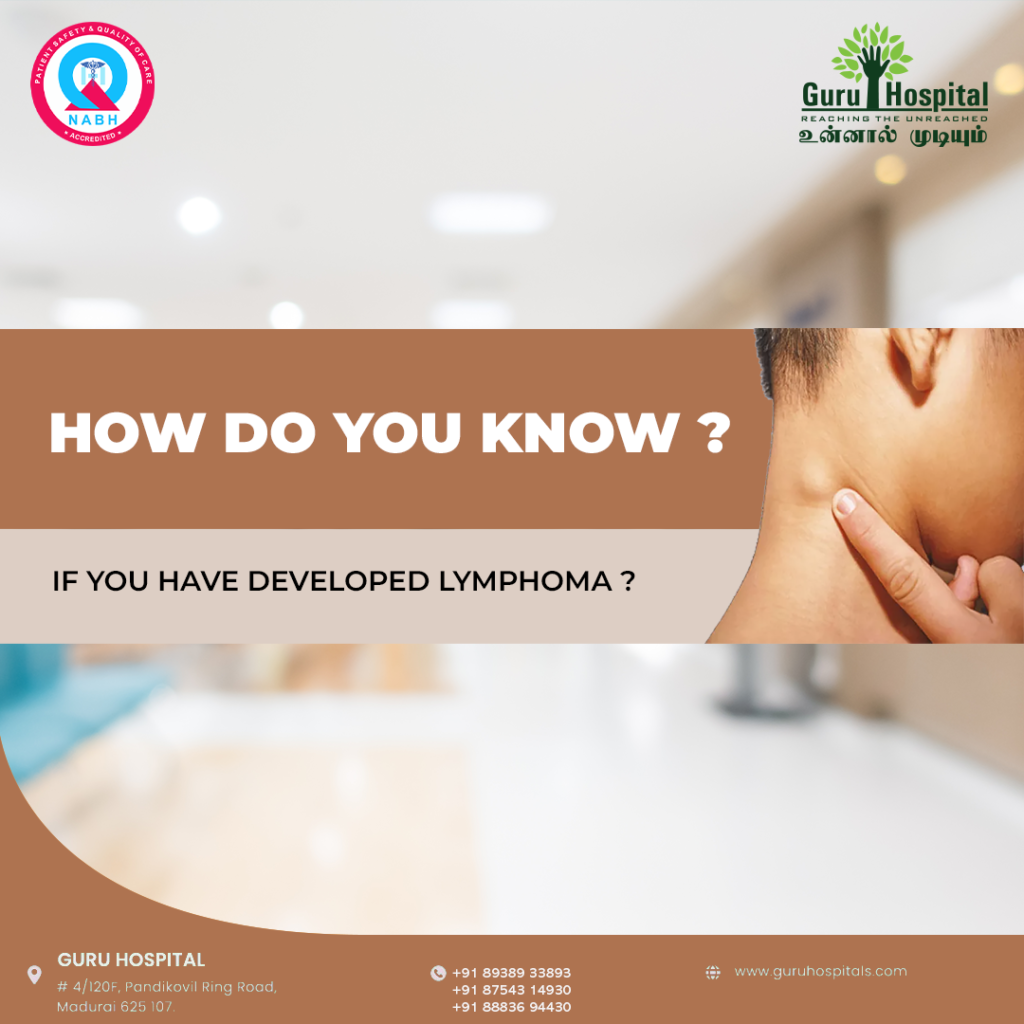
How Do You Know If You Have Developed Lymphoma? Common Symptoms of Lymphoma One of the most noticeable symptoms of lymphoma is swollen lymph nodes. These are often painless and can appear in areas such as the neck, armpits, or groin. While swollen lymph nodes can be a sign of other illnesses, persistent swelling without an obvious cause should be evaluated by a healthcare professional. Other lymphoma symptoms include unexplained weight loss, fever, night sweats, and fatigue. You might also experience itching, especially after drinking alcohol, or find yourself with persistent coughs or shortness of breath if the lymphoma affects the chest area. These symptoms can often be mistaken for less serious conditions, making early detection more challenging. Recognizing Cancer Signs In addition to swollen lymph nodes, other cancer signs to be aware of include abdominal pain or swelling, as lymphoma can sometimes cause organs like the spleen or liver to enlarge. Some individuals might experience a loss of appetite or a feeling of fullness after eating only a small amount of food. If you notice any of these symptoms persisting over time, it’s important to seek medical advice. Your healthcare provider may recommend blood tests, imaging scans, or a biopsy of the affected lymph node to confirm the diagnosis of lymphatic cancer. Importance of Early Detection Early detection of lymphoma is crucial because it allows for prompt treatment, which can lead to better outcomes. Being aware of the symptoms of lymphoma and recognizing the early cancer signs can help in catching the disease in its initial stages. Regular check-ups and communicating any unusual symptoms to your doctor can make a significant difference in your overall prognosis. Lymphoma can present itself in various ways, but the key to managing this disease effectively lies in recognizing the symptoms early. If you experience swollen lymph nodes or other persistent lymphoma symptoms, don’t hesitate to consult your doctor. Early detection and timely intervention are essential steps in successfully treating lymphatic cancer. Stay informed, and take proactive measures to protect your health. Latest Blogs How Do You Know If You Have Developed Lymphoma? September 27, 2024 Screening For Cervical Cancer | Guru Hospital Madurai September 27, 2024